Thursday, 16 July 2015

Choosing A Makeup Artiste For Your Wedding

CHOOSING A MAKEUP ARTIST FOR YOUR WEDDING

Getting a professional to do your makeup on your wedding morning will save you time and give you one less thing to worry about. A makeup artist will also make sure you feel and look beautiful on your special day.

Professional makeup artists know exactly what makeup to use to make the most of your natural features and the colours which best suit you. They have a wide range of luxury cosmetics and use the most photogenic makeup.

Many makeup artists have their own website and others advertise on bridal directories such as Just Makeup Artists.  Other places to find them include at bridal fairs, in bridal magazines and recommendations from friends.

When choosing a makeup artist it is best to use someone local as you don't want to worry about them getting stuck in traffic on your wedding morning. Ask to see their portfolio (which may be on their website) so that you can see if you like their style, and ask what their qualifications are. Makeup artists will have different levels of experience which could be a makeup certificate, diploma, NVQ or even degree.

Before booking a makeup artist ask what their prices are. While some offer discounts for large parties (i.e. mother of the bride and bridesmaids), some charge extra for trials, petrol and accessories such as false eyelashes. Overall, it is best to choose someone you feel comfortable with and who best meets your budget.

Many makeup artists offer a complementary trial. It is important to have a trial so that you can try out a few different colours and types of makeup and have time to discuss with your makeup artist the look you are wishing to achieve. A trial will also test that you are not allergic to any of the makeup they use on you. You may also wish to purchase the lipstick they will be using on you as lipstick is likely to need retouching throughout the course of the day and evening.

Alternatively, many makeup artists give makeup application lessons if you want to do your makeup yourself or are getting married abroad. They can also give you advice about how to best look after your skin in the days leading up to your wedding day so that it is the best makeup base it can be. See our article on preparing your skin for your wedding day.


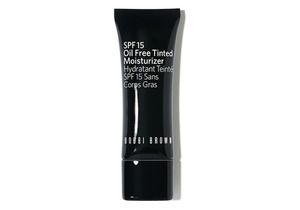
BOBBI BROWN- TINTED MOISTURISER

BOBBI BROWN - TINTED MOISTURISER

INTRODUCTION

Bobbi Brown's Tinted Moisturiser provides light moisture, sheer coverage and sun protection in one.   It comes in a oil free and non oil free formula. I tried the oil free version, which is gel-based, as I have a combination skin type (the oil free version is ideal for combination and oily skin types; if you have a dry to normal skin type you would be better off with Bobbi Brown's non oil-free SPF 15 Tinted Moisturiser which contains skin-conditioning Jojoba Oil to leave skin feeling soft and supple). Vitamins C and E protect skin from free radical damage, while SPF 15 helps prevent sun damage. So if you want to protect your skin in the sun whilst giving your skin a light makeup coverage, Bobbi Brown's Tinted Moisturiser may be just the product for you. It comes in 7 shades from Extra Light to Dark - I tried the Light to Medium Tint.

TRIAL

The first thing I noticed about the tinted moisturiser is its lovely fresh scent. I applied the tinted moisturiser with my hand but you could use a foundation brush. It is very light-weight and glides on smoothly; it provides great coverage for a tinted moisturiser. Often tinted moisturisers can be very fluid in consistency and too light in coverage but Bobbi Brown's is almost creamy in texture and a pleasure to apply. In giving such good coverage only a small amount of product is needed which means it should last a long time. The colour is also lovely and very natural.

So it looked good on application but how did it withstand the day – outside? Well, I'm pleased to say that after a few hours my skin still looked well-covered and shine-free and by the end of the day the product had faded but not completely disappeared. It kept my skin remarkably well matified and I didn't even have any breakthrough shine in the heat. Yet, it didn't dry my skin out like some oil-free products and actually is quite conditioning.

PRICE & PACKAGING

A simple and modern black squeezy tube with white writing. The packaging feels of very high quality.

Priced at £27 this is quite pricey but given that it is more than just a light foundation – a tinted moisturiser with SPF protection – it's not bad value. It is also a 50ml tube (many other brand's are 30ml) and a little goes a long way.

RATING

Texture - 10/10
Results - 10/10
Price - 7/10
Packaging - 8/10
Quality - 10/10

OVERALL - 9/10VERDICT

Light and refreshing, it glides on smoothly, blends easily and provides a great coverage for soft, even and natural-looking skin which lasts all day – plus, it protects the skin! What a super product!


Y'all need to get these!!

CHOOSING A MOISTURIZER


With so many brands and types of moisturiser out there it is hard to pick just one. The first thing to decide upon is your budget and then look at the moisturisers within that price range.

High street brands such as Nivea or Simple will be cheaper and you can buy them off-the-shelf, while designer and prestige labels such as Chanel or Estee Lauder will cost more and can only be purchased over the counter. Middle of the range brands such as No 7 and Loreal offer a good alternative.  Beauty consultants on counters in store will be happy to discuss their company's moisturisers with you and some have samples to give away so that you may try before you buy. You will also need to know which skin typeyou are as many brands sell different moisturisers for different skin types, this is because dry skins require more hydration than normal to oily skin types. Here is a general guide to the different types of moisturiser on the market so that you know which type best matches your skin's needs.

DAY AND NIGHT

The first thing to decide is whether you want a day or night moisturiser or both. Day creams will be lighter, sometimes fluid in texture, and include an SPF to protect your face from the sun. Night creams will be more hydrating and of a heavier substance. There is nothing to say you can't use your day cream at night and your night cream during the day, but they have been designed to best meet different requirements. If you are just going to choose one, perhaps decide on which your lifestyle best suits. If you are outside a lot then a day cream will certainly be more beneficial to protect you against the damaging effects of the sun. Day creams are also great make-up bases. If you have particularly dry skin or are not outside much, you may choose a night cream. The skin repairs itself at night and so anti-wrinkle products can work more effectively at night while you are sleeping.

FLUID AND CREAM

The texture of your moisturiser will not only depend upon whether you are using a day or night cream but your skin type. Lighter, fluid moisturisers are better absorbed by oily skins, while drier skins require more hydration and the extra comfort a cream provides. Most moisturisers will come in three different versions: one for dry skins which will be a thick cream to give the skin maximum hydration; one for normal to combination skin types which will be a lighter cream to maintain the correct level of hydration; and one for oily skin types which will be a light fluid that gives less moisture and is absorbed better by oily skin types.

DECIDING ON WHICH MOISTURISER

When deciding on which type of moisturiser to use, face the facts about your skin's most urgent needs. Whichever type of cream addresses the most needs will be the best choice for you. You may decide to mix and match, i.e. use a firming cream at night and an anti-ageing one during the day, which is actually a very common thing to do.

HYDRATING

(Any age)

If your skin has a thirst for hydration it does not necessarily mean you have a dry skin type as any skin type can be dehydrated. If it feels tight and you can see very fine lines when you pinch your skin together, it is quite likely that your skin could do with a drink. Some people may choose to use a hydrating cream just at night (as many come without SPF's since extra hydrating ingredients outweigh the importance of the SPF) or at certain times of the year such as in colder winter weather. Hydrating ingredients such as Hyaluronic Acid which have very powerful moisturising properties are found in hydrating moisturisers.

ANTI-OXIDANT

(Any age)

People who work outside, live in warm countries or with younger skins may decide to go for an anti-oxidant moisturiser. These prevent premature ageing from the environment (the environment is the primary cause of ageing) by including not only a high SPF, at least 15, to protect against the sun but anti-oxidants such as green tea and cucumber extracts, vitamins C and E. From drinking coffee to pollution, we are prone to 'free radicals' that damage healthy skin cells. In the skin this leads to lines, wrinkles and loss of skin tone. Antioxidant ingredients can reduce the activity of these free radicals.

SKIN BRIGHTENING

(Any age)

Skin brightening moisturisers help reduce the other common symptoms of premature ageing -- dullness, discolouration and uneven skin tone. So if radiant skin is your priority, opt for a skin brightening moisturiser.

FIRST SIGNS OF AGEING

Young skins (roughly 20 years plus)

Prevention is better than cure and women in their twenties do well to moisturise daily. At this age, the biggest cause of premature ageing is environmental -- pollution, air conditioning, caffeine, alcohol, and nicotine which all work to dehydrate and prematurely age the skin. Women of this age may therefore choose to use an anti-oxidant, hydrating or skin brightening moisturiser. If fine lines are your biggest concern, even in your twenties, then you can use an anti-ageing moisturiser (see below).

ANTI-AGEING

Young to middle aged skins (roughly 30 years plus)

With noticeable fine lines the best cream to go for is an anti-ageing or anti-wrinkle cream. Not only do these moisturisers target environmental ageing, by incorporating an SPF, but have special ingredients to maintain your skin's natural collagen levels before they start depreciating which happens naturally with biological and chronological ageing. Not only do they work to prevent fine lines appearing, but firm and reduce existing fine lines. While the primary goal of an anti-ageing cream is to prevent wrinkles from appearing, the primary goal of an anti-wrinkle cream is to smooth existing fine lines.

FIRMING

Middle aged to older skins (roughly 40 years plus)

Older skins need firming moisturisers to firm the skin and thus reduce the appearance of existing lines and prevent the formation of deeper lines. When we reach our forties our skin is working against the effects of not only environmental but chronological and hormonal ageing. Firming moisturisers often have collagen boosting ingredients to help encourage your skin to increase its production of collagen and elastin. They also hydrate the skin which in turn helps to prevent fine lines and leave it feeling comforted.

EYE CARE

Why use a separate moisturiser for your eyes? The skin around the eye area is 4x thinner than else where on the face and therefore much more delicate. It has different needs to the rest of your face and is usually where most women see the first visible signs of ageing. You may have dark circles, crows feet, sagging skin or none of these, and different creams target different needs whether skin brightening, age prevention or firming. Your eye moisturiser is unlikely to be serving the same needs as your face cream; for example, you may want an eye cream to firm fine lines, and a face moisturiser to target hydration. See our article on choosing an eye cream.

Your skin's needs can change with the seasons and with time so remember that seasonally, or every few years, you may want to change to a different type of moisturiser. Consult a beauty adviser at your local department store or pharmacy as they'll only be too happy to give your skin a health check.

For advice on cleansing and toning read about 3 Step System.


Wednesday, 15 July 2015

How To Find Out Your Skin Type!!!


When purchasing facial skincare items, such as cleansers, toners and moisturisers, you often need to know which skin type you are in order to buy the most suitable product. Use our quick fire question guide to determine your skin type.

OILY
-Do you find it hard to get that clean feeling?
-Are you prone to acne or breakouts?
-Do you have a slight shine?
-Does your makeup come off easily?
-Do you have open pores?
If you answered yes to more than two of these questions, you have an oily skin type. Oily skins have over- productive sebaceous glands, but on a positive note, the extra oil in the skin means it is better hydrated and will take longer for the effects of ageing (lines and wrinkles) to be seen in someone with an oily skin.

COMBINATION
-Do you have dry skin in some places or at certain times of the year, but an oily T-zone (across your forehead and on your nose)?
-Do you have open pores in some places?
If so, your skin type is combination. Combination skins must endure a balancing act with their skin care and makeup regime to keep their cheeks sufficiently hydrated and their T-zone matt. Sometimes, such as in cold weather, more hydration will be required.

NORMAL
-Does your skin neither feel dry nor oily?
-Does it feel sufficiently hydrated?
If so, you have a normal skin type. Normal skin types must still use a good skincare regime to keep their skin healthy and balanced.

DRY
-Does your skin feel tight and uncomfortable after cleansing?
-Do you have flaky skin?
-Can you see fine dehydration lines when you pinch your skin together?
If you answered yes to any of these questions, you have a dry skin type. It is very important to keep your skin well hydrated with a good moisturiser to prevent premature ageing. Sensitive skins are often dry.

FINDING SUITABLE SKINCARE
To find out how to choose a suitable skin care regime to meet your skin's most urgent needs and the different skincare products on the market, see our 3 step skincare regime guide.

Written By Alabi Haleemah

REPAIR PRODUCTS THE FOURTH STEP


If you are an avid 3 step beauty queen, or are looking to give your skin an extra boost, you may be intrigued to know about the fourth step you can include in your daily skincare regime “repair” which comes after toning and before moisturising.

1. Cleanse
2. Tone
3. Repair
4. Moisturise

Repair products target a particular concern such as dehydration, sun damage and age spots, wrinkles, dull skin or open pores, and are more concentrated than a moisturiser. They do not carry SPFs since unlike moisturisers, repair products do exactly as their name suggests and repair existing damage or problems. (A moisturiser's main purpose is to protect your skin). They can be used morning and evening, although you may choose to address different concerns and therefore use one type of repair product in the morning and another in the evening. Repair products can work very effectively in the long term. For more information on serums and to find out which are some of our favourite repair products are, read Choosing A Serum .

Also see, choosing a cleanser, toner and moisturiser .

3 Step Skincare Regime


Visiting the beauty counter can be a daunting experience especially with so many lotions and potions to tempt you. Knowing exactly what is and what isn't needed is no easy task. However, for a basic skincare regime most beauty advisers would recommend a three step process to be done twice a day, morning and evening.

STEP 1 - CLEANSE
Gone are the days when soap (which can strip natural oils and dehydrate skin) is the only option for women. A good quality cleanser can make all the difference to your skin. Used daily (often twice) you need your cleanser to be refreshing and conditioning, remove makeup and meet Other needs depending on your skin type. Find out your skin type.

CREAM CLEANSER
Cream cleansers do not require water to remove them and instead are tissued off. Cream cleansers are usually best for dry skins because they provide a comforting cleanse without water. They are also ideal for sensitive skins as they are made with comforting ingredients such as camomile.

MOUSSE CLEANSER
Mousse cleansers can be for normal or combination skin types and foam up when wet. They refresh and rebalance the skin.

GEL CLEANSER
Gel cleansers purify the skin and are ideal for oily skins providing a deep clean. They are often made with ingredients particularly refreshing for oily skins such as citrus fruit extracts.

STEP 2 - TONE
Toner's complete the cleansing process and make the perfect base for your moisturiser and makeup. They also remove excess oil, dirt and makeup. Toners work differently to your cleanser by doing something extra. This will depend on which type you use:

HYDRATING TONER
Hydrating toners work to soften and hydrate the skin. They are best for dry or dehydrated skins. They leave skin feeling comforted and soft.

BALANCING TONER
Skin balancing toners are designed for normal and combination skins. The revitalise, rebalance and condition the skin.

MATIFYING TONER
Toners which work to matify the skin often have oil- absorbing particles in them to help control sebum production which leads to shine. Matifying toners are best for oily skins which have over-active sebum glands.

STEP 3 - MOISTURISE
We could go on all day about the benefits of moisturising but, above all, a moisturiser will maintain the hydration levels of your skin preventing patchy and flaky dehydrated areas, protect it from premature ageing caused by the environment (99% of premature ageing is caused by the environment) as well as help to firm existing sagging skin. If you are still questioning the necessity of moisturising remember one statement – prevention is better than cure. Yes ageing is irreversible but, although you cannot stop the ageing process, you can certainly slow it down.
Moisturisers are also the ideal base for your makeup – your foundation will glide on, look more radiant and have greater staying power when applied to conditioned skin. Overall, by moisturising daily you are giving your skin the best chance to maintain a healthy hydration level and it
will look more radiant. Some people choose to use a different moisturiser in the morning than in the evening. It is also advised to use a separate moisturiser for your eye area where the skin is more delicate and may have different requirements. To find out which type of
moisturiser is right for you, read our article . Want to know what step 4 is? If so, find out about repair products.

DIY Facial


    DO IT YOURSELF
If you can afford the time and money to splash out on a regula facial at your local beauty salon
then your skin should be in tip top condition. However, for the majority of us who cannot afford
such pampering, the good news is that you can get healthy, glowing skin - that looks like it's been
treated at an exclusive salon - at home with the right skincare regime.

CLEANSING;
CLEANSER
Whether you are carrying out your daily, weekly or monthly skincare routine, you need to begin the ritual by ridding the skin of dirt and grime with a thorough cleansing session. If you have combination skin, then you are probably better off using a foaming cleanser that can
be washed off with water. Try Kiehl's Gentle Foaming Face Wash (£17.50 from John Lewis ), which gently softens and revives skin for a healthy and rosy complexion. If you suffer from spots and oily skin, use Benefit's You Clean Up Nice Facial Wash (£16.50 from Boots nationwide) as it will root out impurities without damaging or dehydrating the skin. For more information on cleansers see our article on 3 Step Skincare Regimes .

EXFOLIATOR
To rid the skin of dry, flaky skin and to brighten it up, you must exfoliate at least once a week. For regular sessions, massage in a gentle exfoliator with fine particles so as to not to cause any irritations. The massaging technique will also help to stimulate the facial muscles. Clinique's
Exfoliating Scrub (£16.50 from Boots and selected department stores) and also PeterThomadRoth Anti-aging buffing beads (£ 10.80 from PTR) will brighten dull skin by removing dead surface skin and can be used regularly. Ideally your skin should feel soft
and relaxed after its cleansing session. If it is tight or red-looking, you have probably used harsh
products that are not suitable for your skin type or have been over- enthusiastic with the scrubbing.

TREATMENTS;
FACE MASK
You can apply a mask as part of your weekly routine in order to restore radiance if you wish, but
weekly is not always necessary unless, of course, your skin is looking tired. Face masks are generally used just a couple of times a month to give skin an extra boost. Caudalie's Masque Purifiant (£18.00 from selected Boots) is great at ridding the skin of impurities,  with extracts of red clay is perfect for regular use since it cleans out the pores while re-hydrating your skin, to leave it looking radiant. After your mask has worked its magic, wipe it off with a warm cloth for better long-term results.

FACE PEEL
For a deeper exfoliation and brighter skin, use an at-home facial peel once a month after cleansing. With its clinically proven fruit acid ingredients including Blueberry, Goji Berry
and Grape Seed Extract, Origins' Brighter By Nature Peel Pads (£28 from selected Boots and
department stores nationwide) remove dead skin cells to reveal a softer and more youthful
layer of skin. With continued use the appearance of uneven skin tone and discolouration is
diminished. The pads allow for an easy and effective at- home peel.

MOISTURISING;
FACE MOISTURISER
To complete your skincare routine you will need to apply a moisturiser. Remember to massage it in gently so it can infiltrate deep below the epidermis layer, and also press gently around your sinus pressure points to help de-puff your skin. It is also vital to massage moisturiser into your
neck in uplifting movements if you want to help firm its appearance. Neal's Yard's Wild Rose
Beauty Balm from www.nealsyardremedies.com and selected Boots nationwide) are both excellent at hydrating the skin and will keep it looking fresh and conditioned for hours.

EYE MOISTURISER
Finally, don't forget your eyes - dot an eye cream such as Yes To Carrots’ Eye Can C Clearly Now Eye Contour Cream from beautybay.com around the eye area to de-puff your eyes and to help
reduce dark circles. Moisturisers and eye creams should be used daily for best results.

By Alabi Haleemah